How Buy Now Pay Later Services Are Disrupting Traditional Credit Card Markets

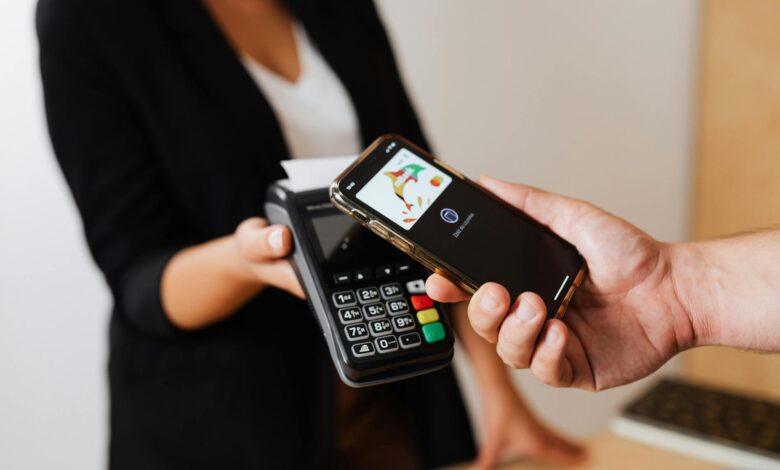
The checkout experience that once required fumbling for credit cards or cash has transformed into a simple tap-and-split transaction. Buy now, pay later services like Klarna, Afterpay, and Affirm have exploded from niche payment options to mainstream financial tools, fundamentally reshaping how consumers approach spending and forcing traditional credit card companies to reconsider their decades-old business models.
These services, which allow shoppers to split purchases into installments without traditional credit checks or interest charges, processed over $100 billion in transactions globally last year. The appeal is straightforward: instant gratification without the immediate financial hit or the complexity of credit card applications. Young consumers, in particular, have embraced BNPL as an alternative to credit cards, viewing installment payments as more transparent and manageable than revolving credit with compound interest.
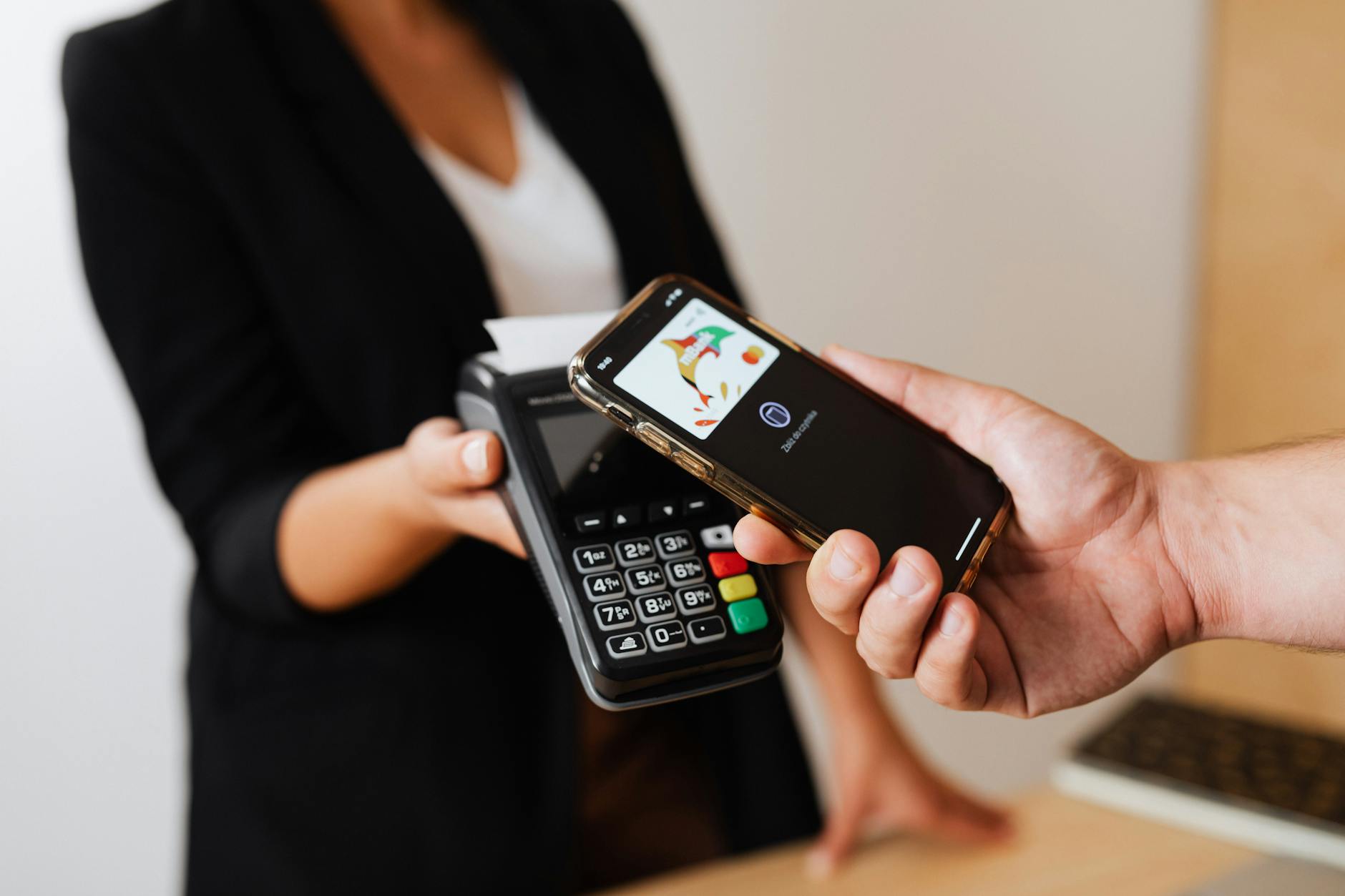
The New Payment Landscape Emerges
The rise of BNPL represents more than just another payment method – it signals a fundamental shift in consumer financial behavior. Unlike credit cards, which require credit history evaluation and often involve annual fees, BNPL services typically approve users instantly with minimal information. Klarna’s “Pay in 4” option and Afterpay’s similar model charge no interest when payments are made on time, earning revenue instead through merchant fees that can range from 4% to 6% per transaction.
Traditional credit card companies built their business on interchange fees and interest charges from cardholders who carry balances. BNPL services flip this model, making merchants pay higher fees while offering consumers what appears to be free credit. This approach has proven particularly attractive to younger demographics who witnessed the 2008 financial crisis and remain skeptical of traditional credit products.
Major retailers have embraced BNPL integration as a way to increase average order values and reduce cart abandonment. Shopify, Amazon, and Target now offer multiple BNPL options at checkout, recognizing that payment flexibility can drive sales. The psychological impact differs significantly from credit card purchases – consumers view installments as manageable chunks rather than accumulating debt, even though the financial obligation remains identical.
Credit Card Giants Fight Back
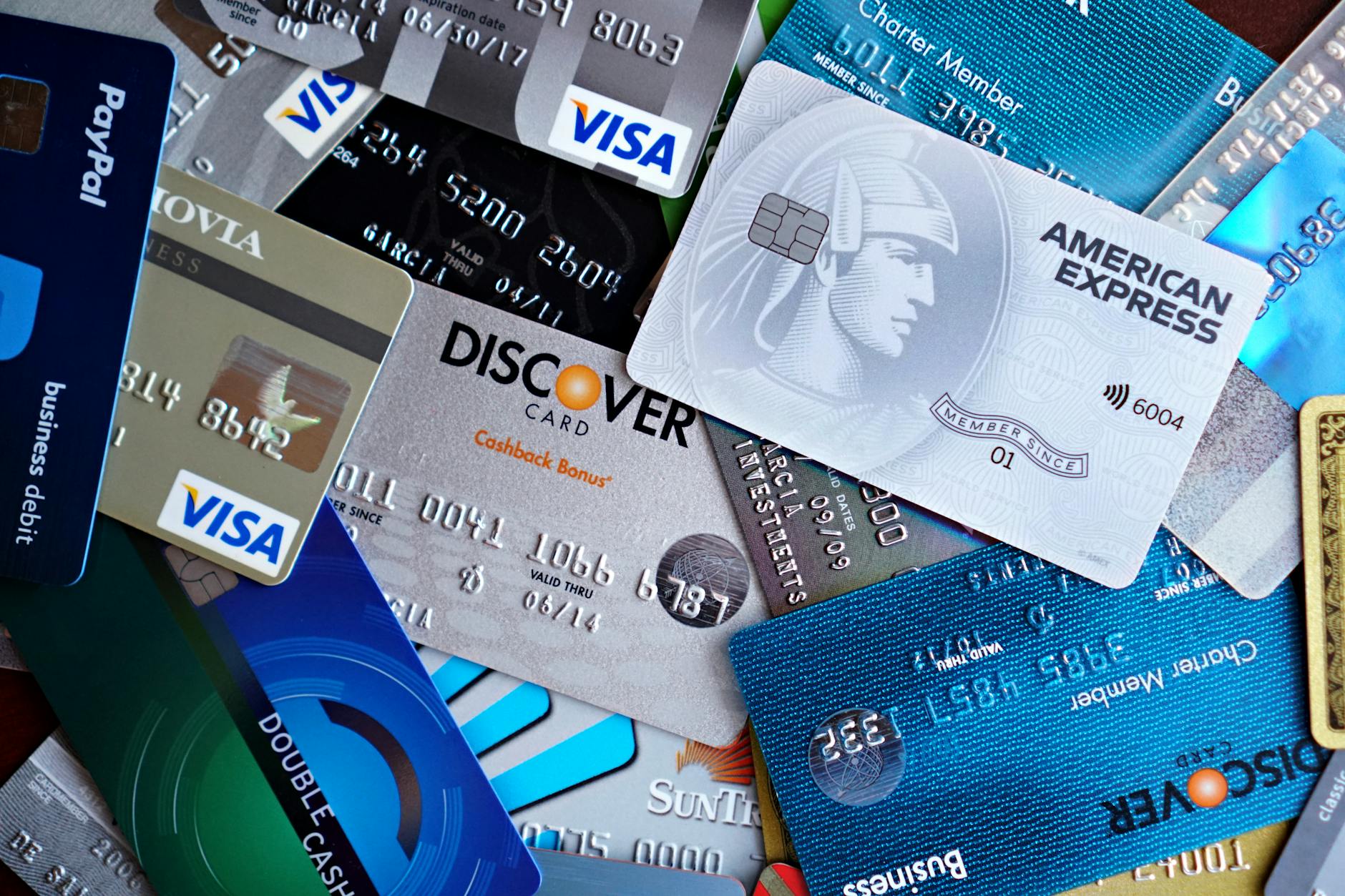
Visa, Mastercard, and American Express haven’t remained passive observers. All three companies have launched their own installment payment programs, attempting to capture BNPL market share while leveraging their existing merchant relationships. Visa’s “Visa Installments” and Mastercard’s “Mastercard Installments” programs allow participating banks to offer BNPL functionality through existing credit cards, maintaining the traditional issuer relationship while adapting to new consumer preferences.
The established players possess significant advantages: extensive merchant networks, robust fraud protection systems, and deep relationships with banks. However, they also carry the baggage of complex fee structures and lengthy approval processes that BNPL companies deliberately avoided. American Express has taken a different approach, acquiring BNPL features while maintaining its premium positioning and comprehensive rewards programs.
Banks themselves are caught in an uncomfortable middle position. JPMorgan Chase, Bank of America, and Wells Fargo see BNPL services potentially cannibalizing their credit card portfolios while simultaneously partnering with these companies to offer competitive payment options. Some regional banks have acquired BNPL startups outright, viewing the technology as essential for future competitiveness.
The Hidden Costs and Regulatory Response
Despite marketing messages emphasizing “no interest” payments, BNPL services carry risks that regulators are beginning to scrutinize. Late fees, missed payment penalties, and the potential for multiple overlapping installment plans can create financial stress comparable to credit card debt. The Consumer Financial Protection Bureau has increased oversight of BNPL providers, requiring more detailed reporting on loan performance and consumer complaints.
The ease of BNPL approval also presents challenges traditional credit products avoided through established underwriting processes. Unlike credit cards, which report payment history to credit bureaus and help consumers build credit scores, many BNPL transactions don’t contribute to credit building. This creates a potential problem for young users who might benefit from establishing positive credit history through responsible use.
Merchants face their own dilemmas with BNPL adoption. While these services can increase sales and customer satisfaction, the higher processing fees eat into profit margins. [Small business owners are increasingly using AI tools to analyze payment data](https://daily-news-guide.com/how-small-business-owners-are-using-ai-tools-to-compete-with-corporations/) and determine optimal payment method mixes, balancing customer preferences with cost considerations.
International markets present additional complexity, with regulatory environments varying significantly. European authorities have implemented stricter lending requirements for BNPL providers, while Australian regulators focus on responsible lending practices and consumer protection.
Market Consolidation and Future Outlook
The BNPL market is experiencing rapid consolidation as larger financial institutions acquire successful startups and smaller players struggle with funding and compliance costs. PayPal’s acquisition of various BNPL features and Apple’s introduction of “Apple Pay Later” demonstrate how established tech companies are integrating these services into broader payment ecosystems.
Traditional credit card rewards programs are evolving to compete with BNPL appeal. Premium cards now offer more flexible redemption options, temporary spending increases for large purchases, and installment conversion features that allow cardholders to split existing purchases into fixed payments. The battle for consumer loyalty increasingly centers on flexibility and transparency rather than purely on rewards rates.
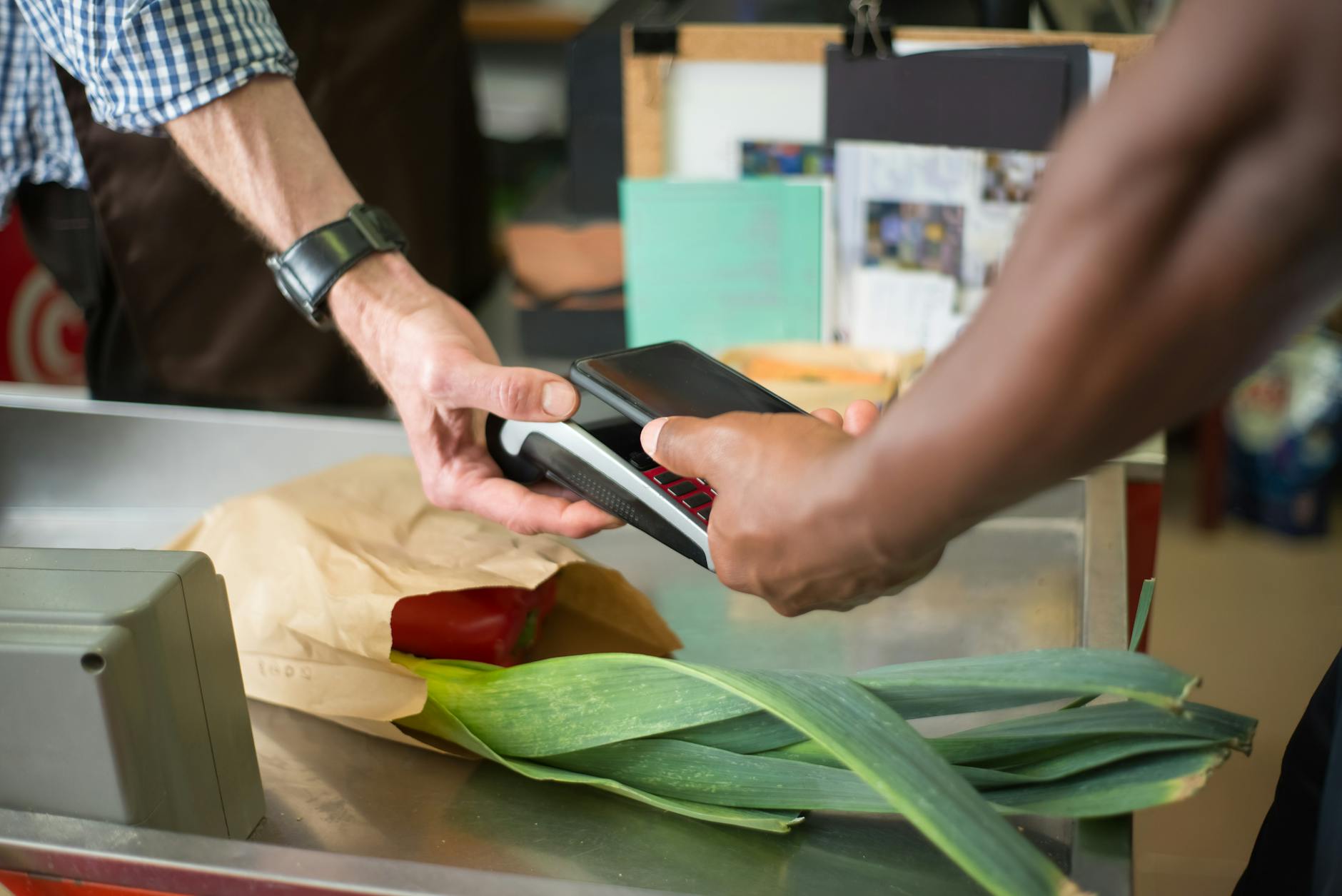
The emergence of BNPL services has accelerated innovation across the entire payments industry, forcing every player to reconsider fundamental assumptions about consumer preferences and risk management. Credit scoring models are adapting to include BNPL payment history, while merchants experiment with dynamic payment option displays based on purchase amounts and customer profiles.
Looking ahead, the payment landscape will likely feature multiple coexisting models rather than a single dominant approach. Generation Z consumers show strong preferences for transparency and control over their financial obligations, suggesting that traditional credit products must continue evolving to remain relevant. The companies that succeed will be those that combine the convenience and clarity of BNPL with the security and credit-building benefits of traditional banking relationships, creating hybrid solutions that serve diverse consumer needs while maintaining sustainable business models.
Frequently Asked Questions
How do buy now pay later services make money?
BNPL companies earn revenue primarily through merchant fees ranging from 4-6% per transaction, rather than charging interest to consumers.
Are BNPL services safer than credit cards?
BNPL services avoid compound interest but can still result in late fees and don’t typically help build credit history like responsible credit card use.