Grocery Chains Are Quietly Acquiring Regional Food Banks as Distribution Hubs


The Quiet Consolidation Happening Behind the Food Bank Door
Several major grocery chains have begun acquiring or forming deep operational partnerships with regional food banks, folding them into their supply chain infrastructure as secondary distribution hubs. The arrangements are rarely announced with fanfare. They surface instead in municipal zoning filings, nonprofit merger disclosures, and the occasional local business journal brief – the kind of paperwork that does not trend on social media but quietly reshapes how food moves through a region.
What makes this trend worth watching is not the charity angle. It is the logistics angle.
Food banks, stripped of their nonprofit identity for a moment, are essentially mid-tier cold storage and sortation facilities with established last-mile delivery networks, existing relationships with municipal governments, and decades of operational infrastructure built on donated land and tax-exempt financing. For a grocery chain managing thin margins and increasingly expensive warehouse real estate, that combination is genuinely attractive – not as a feel-good acquisition, but as a distribution asset with unique financial characteristics.

Why the Math Works for Grocery Chains
The economics here are layered. Regional food banks typically own or lease large refrigerated facilities in urban cores or near major highways – locations that private real estate developers have been pricing out of reach for years. When a grocery chain absorbs a food bank’s operational infrastructure, it gains access to that real estate at costs that would be impossible to replicate through traditional commercial channels. The nonprofit history of the asset often means the facility carries no mortgage or a heavily subsidized one, and in some cases the land is municipally owned with long-term lease agreements attached.
Beyond real estate, food banks come with something even harder to acquire on the open market: pre-cleared regulatory relationships. A food bank that has spent 20 years operating in a city has permits, health department sign-offs, community board approvals, and sometimes formal agreements with local governments covering everything from loading dock hours to food safety inspections. A grocery chain building a new distribution node from scratch would spend years and significant legal fees replicating that standing. Absorbing it through acquisition or a hybrid partnership collapses that timeline considerably.
There is also a labor component. Food banks run largely on trained volunteer networks and small professional staffs who know local delivery geography in granular detail – which streets flood, which elevators in which apartment buildings are out of service, which community organizations can hold shipments. That local knowledge does not show up on a balance sheet, but it is operationally valuable in a way that no routing algorithm fully replicates. Grocery chains entering high-density urban markets have historically struggled with last-mile delivery costs precisely because they lack this embedded neighborhood intelligence.

The Complications Nobody Is Advertising
The arrangement is not without friction. Food banks operate under a specific legal and social contract. They are chartered to serve food-insecure populations, and their tax-exempt status is tied directly to that mission. When a for-profit grocery chain begins using a food bank’s infrastructure for commercial distribution alongside charitable operations, it creates a structural conflict that state attorneys general and the IRS are increasingly watching. Several regional food bank boards have already faced internal pressure from long-term donors and community partners questioning whether their facilities are being used to subsidize a retailer’s profit margin rather than feed families.
The governance question is equally tangled. In most acquisition or deep-partnership structures, the grocery chain does not technically own the food bank – it funds it heavily, provides operational management, and gains distribution access in return. This keeps the nonprofit shell intact and preserves the tax advantages. But it also means decision-making authority is blurred in ways that frustrate transparency. When a community organization needs to understand who is actually controlling food distribution in their neighborhood, the answer increasingly involves a corporate parent two or three organizational layers removed from the food bank’s public-facing name.
State-level regulators in several markets have begun looking at these structures through the same lens applied to private equity acquisitions of community institutions – asking whether a public-interest asset is being converted to private benefit through a structure designed to avoid scrutiny rather than invite it. The legal frameworks governing this are still catching up to the practice, which means grocery chains currently operating in this space face limited formal oversight.
What Changes for Communities on the Ground
The immediate effect for most communities is not obvious. Food still moves through the same buildings, driven by the same familiar vehicles, staffed by some of the same people. Charitable distributions often continue and in some cases increase, because grocery chains use the food bank relationship to move near-expiration inventory that would otherwise be written off – so the volume of donated food actually goes up. That is a real benefit, and advocates who focus narrowly on food access metrics will see positive numbers in the short term.
The longer-term concern is dependency and control. A community whose food distribution infrastructure has been absorbed into a single corporate supply chain has fewer fallback options when that corporation faces financial pressure, restructures, or exits the market. Independent regional food banks, whatever their inefficiencies, operated as a distributed safety net. Consolidation under a grocery chain’s operational umbrella creates concentration risk that no annual report will voluntarily highlight.
There is also a competitive effect on smaller grocery operators. A regional chain that gains a hybrid distribution hub through a food bank partnership can move inventory through urban neighborhoods at a cost structure that independent grocers and smaller regional competitors simply cannot match. The food bank’s subsidized infrastructure effectively becomes a competitive moat, funded partly by charitable donations and public tax exemptions, deployed in service of market share.
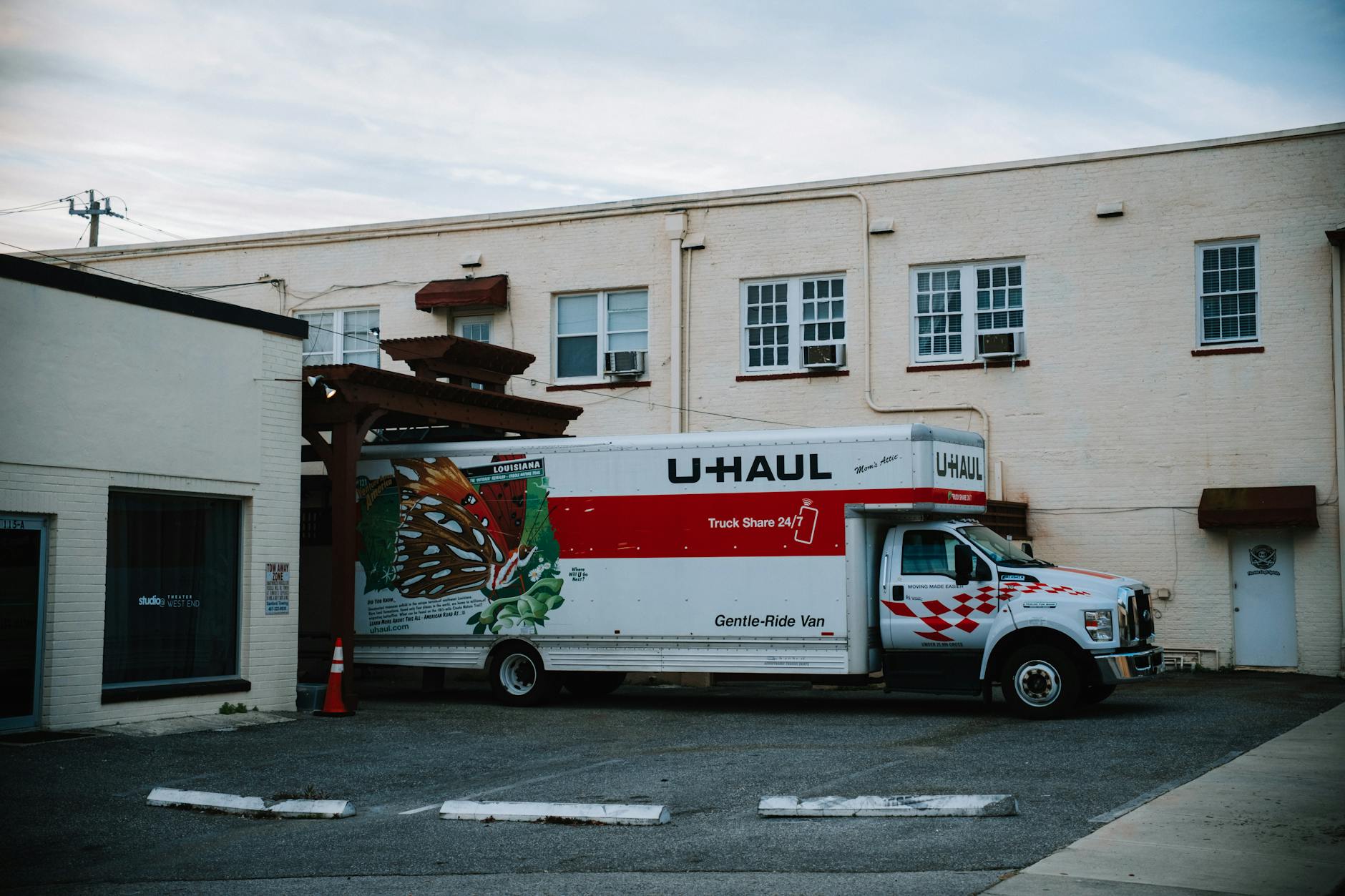
None of this is illegal, and in the current regulatory environment, very little of it is even formally disclosed. The grocery chains executing this strategy are doing so through patient, quiet deal-making – and the communities most affected are often the last to find out.
Frequently Asked Questions
Are grocery chains allowed to use food bank facilities for commercial distribution?
There is no blanket prohibition, but using nonprofit infrastructure for commercial gain risks violating tax-exempt status rules and is drawing increased scrutiny from state regulators and the IRS.
Do communities still receive food donations when a grocery chain takes over food bank operations?
In many cases, yes – chains often increase the volume of near-expiration food donated. But long-term concerns center on control, dependency, and reduced resilience if the corporate partner exits the market.