The Quiet Retreat From Farm Country
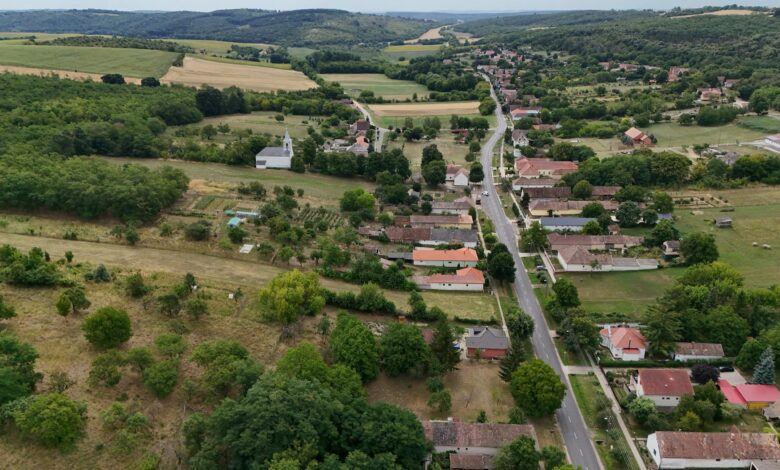
Small business agriculture loans have long been the bread and butter of community banking – the kind of relationship-driven lending that big national banks rarely bothered with. A farmer needing $200,000 to upgrade irrigation equipment or a small orchard operator seeking working capital to get through a drought year would call their local bank, often speak directly with someone who knew their land, and walk out with a check. That model is eroding, and the withdrawal is happening without announcements or press releases.
Across rural markets, community banks are quietly tightening credit standards on agricultural loans, shrinking their farm lending portfolios, or exiting the category entirely. The reasons stack up fast: regulatory pressure, rising default risk tied to commodity price swings, the cost of compliance on specialized ag loan documentation, and the difficulty of competing with government-backed lenders who can offer rates no community institution can match. The effect on small farm operators is direct and worsening.
Why Community Banks Pulled Back
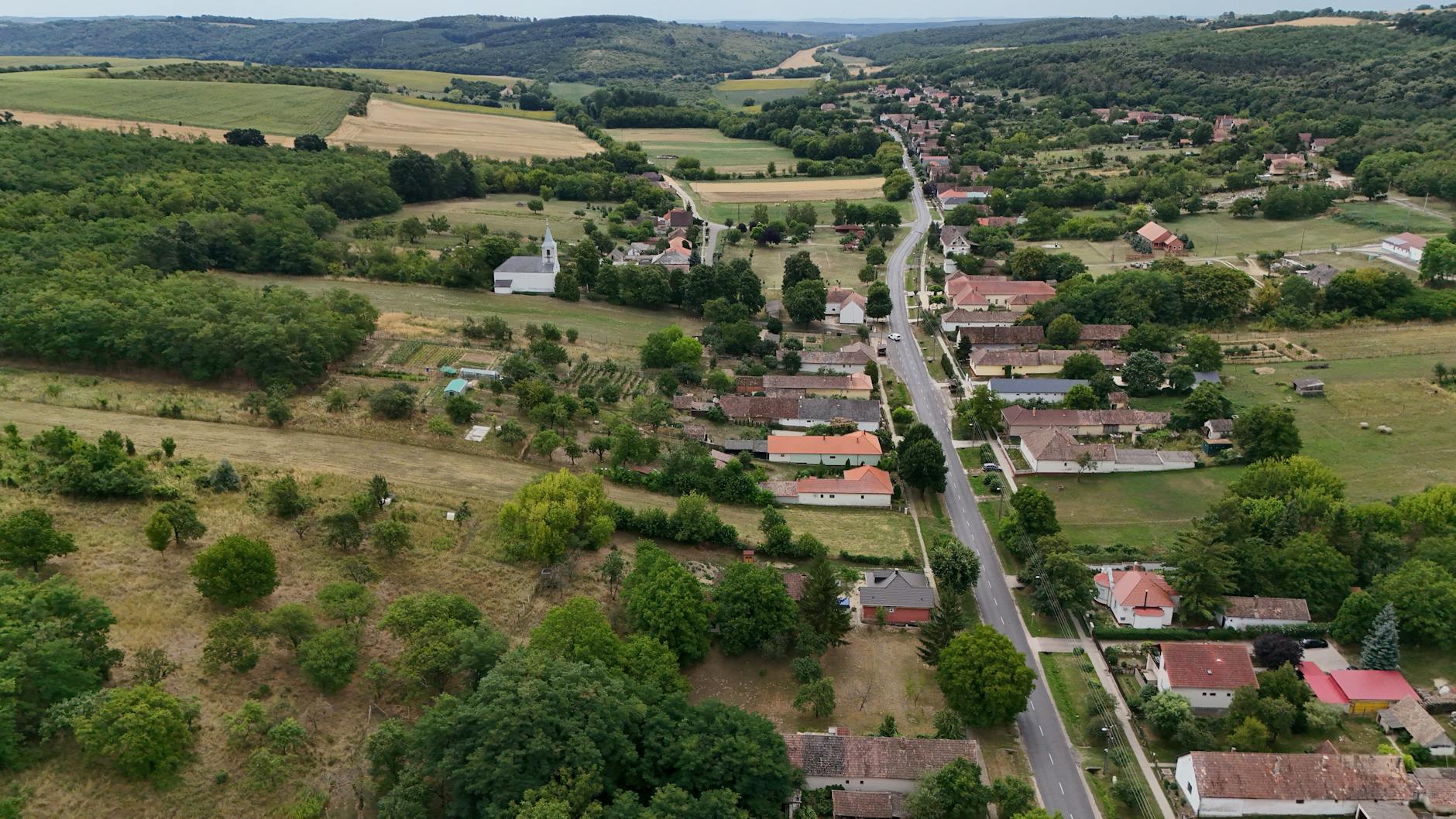
Agricultural lending carries a risk profile unlike most small business categories. Farm income is cyclical, collateral values fluctuate with land markets, and a single bad weather season can turn a performing loan into a problem credit overnight. For a community bank with a concentrated geographic footprint, a cluster of stressed ag loans in one county can threaten the entire institution’s capital ratios. That concentration risk became harder to ignore as climate volatility increased the frequency of drought years, flood events, and unexpected pest pressures across farming regions.
Regulatory requirements added another layer of friction. Ag loans require specialized underwriting – cash flow analysis tied to crop cycles, commodity price projections, equipment valuations, and land appraisals that follow different standards than commercial real estate. Smaller institutions often lack dedicated agricultural lending staff, meaning compliance costs per loan are disproportionately high compared to the loan size. A $150,000 operating line for a vegetable grower costs nearly as much to underwrite as a $1.5 million commercial property loan, but generates a fraction of the revenue.
The Farm Credit System and USDA-backed lending programs have also made it structurally difficult for community banks to compete on price. These government-sponsored entities can offer below-market rates on operating loans, real estate mortgages, and equipment financing – products that once kept community bank ag portfolios healthy. When a farmer can get a better rate from a Farm Credit association than from the institution where they’ve banked for twenty years, the loyalty advantage that community banks relied on starts to disappear.

Who Fills the Gap
The withdrawal of community banks does not leave a clean vacuum. Farm Credit institutions, which operate as a government-sponsored network specifically designed to serve agriculture, pick up a portion of the displaced demand. But Farm Credit lenders are not universally accessible to smaller or newer farm operations, and their underwriting standards, while designed for agriculture, are not always suited to the micro-scale operations that characterize much of small-farm America – the 50-acre diversified vegetable producer, the beginning farmer without a long credit history, the livestock operator running a small herd on leased land.
USDA’s Farm Service Agency loan programs carry their own constraints. Processing times are long, paperwork requirements are substantial, and loan caps on some programs limit their usefulness for mid-size operations that need credit quickly to respond to a market opportunity or a weather-driven loss. The gap between what small farm operators need and what available lenders can deliver is widening, particularly for working capital loans – the short-term credit that keeps operations solvent between planting and harvest.
The Downstream Effect on Rural Business
Agricultural lending does not exist in isolation from the broader rural economy. When a farm operation loses access to affordable credit, the effects move outward. Equipment dealers lose buyers. Feed suppliers extend more informal credit because formal credit has dried up. Processing facilities see inconsistent supply from smaller producers who can’t finance the inputs to hit full production. Rural communities with a heavy farming base feel the contraction in sales tax receipts, restaurant traffic, and general retail activity.
This rural economic stress connects to a larger pattern of service withdrawal from non-metropolitan markets. The closure of retail pharmacies in rural counties represents a similar logic: when the cost-to-serve a low-density market outpaces the revenue potential, institutions exit – and what replaces them is either slower, more bureaucratic, or simply absent. Agricultural lending is following the same contraction path, just with less public visibility because farm credit doesn’t generate the same consumer outrage as a pharmacy closing.
Beginning farmers face the sharpest end of this contraction. Established operations with decades of financial history, owned land, and existing banking relationships have some ability to navigate around a retreating community bank. They can approach Farm Credit, apply for FSA loans, or in some cases find agricultural credit unions willing to take on the relationship. Beginning farmers – who are statistically younger, more likely to be operating on leased land, and still building their balance sheets – have fewer fallback options. The community bank was often the only institution willing to work with them at all.
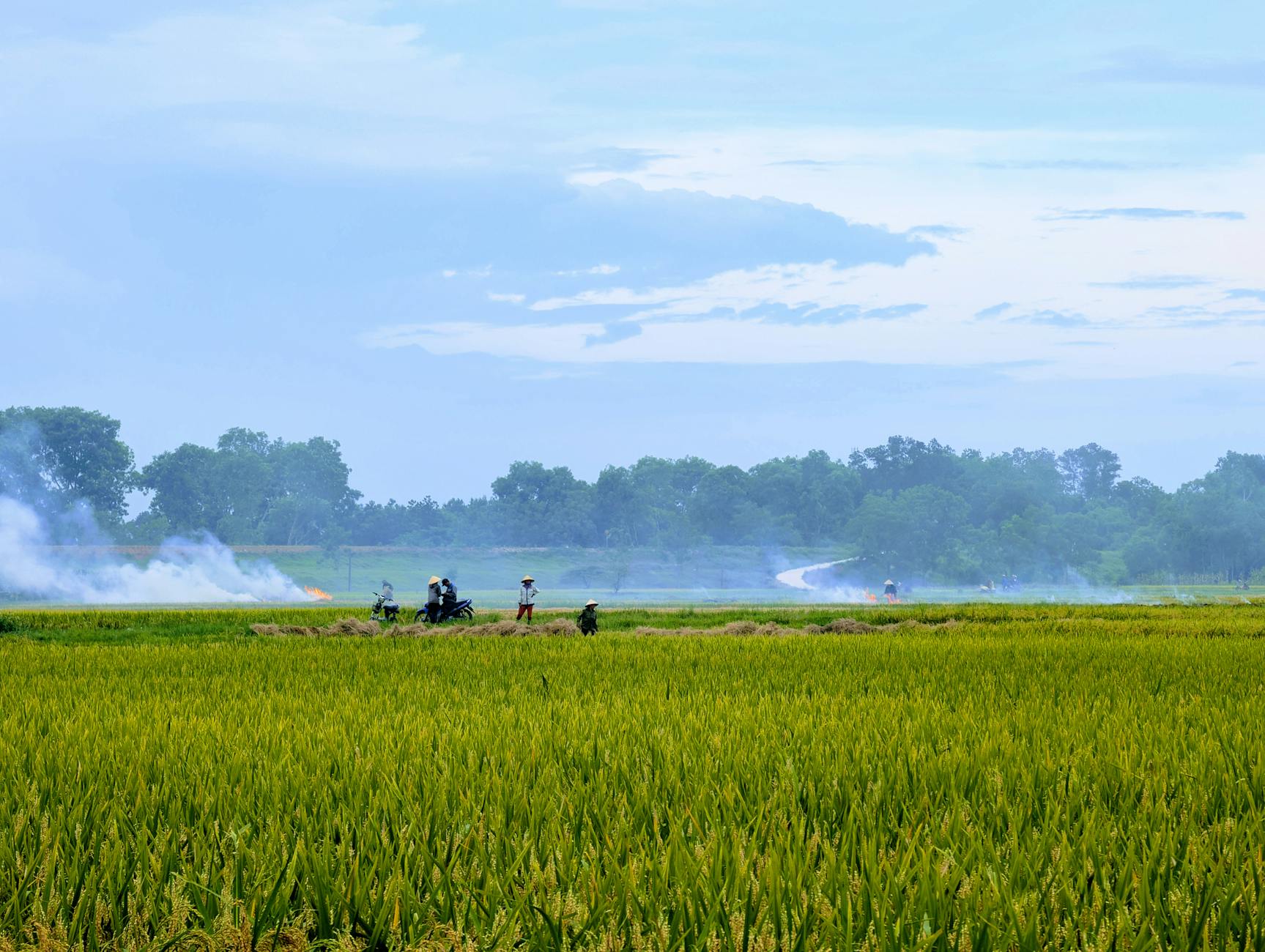
There is a compounding problem tied to land values. As farmland prices in major agricultural states have climbed over the past decade, the collateral backing farm loans looks stronger on paper. But for operating loans – the kind that cover seed, fertilizer, fuel, and labor – collateral value matters less than cash flow. A farmer whose land is worth more than ever but who had two consecutive bad harvest years is still a credit risk, and community banks with shrinking risk appetite are increasingly unwilling to make that call. The result is that rising land values, which should theoretically support more lending, are not translating into broader credit access for small operators.
The irony is that community banks built their reputations on exactly this kind of nuanced credit judgment – knowing that a particular farmer’s land has drainage issues that affect yield, or that a bad year was weather-related rather than a sign of poor management. As those banks exit the category, that localized knowledge walks out with them, and what replaces it is lending by formula, by checklist, and by credit score – tools poorly suited to the variable, relationship-heavy reality of small farm finance.
Frequently Asked Questions
Why are community banks exiting agricultural lending?
Rising compliance costs, concentration risk, and competition from government-backed lenders like Farm Credit make ag loans increasingly unprofitable for smaller institutions.
What options do small farmers have when community banks pull back?
Farm Credit associations and USDA Farm Service Agency programs exist, but both have eligibility limits and slower processes that don’t always serve small or beginning farm operators well.